
Hip Pain In Your 30s And 40s: Why You Shouldn’t Ignore It
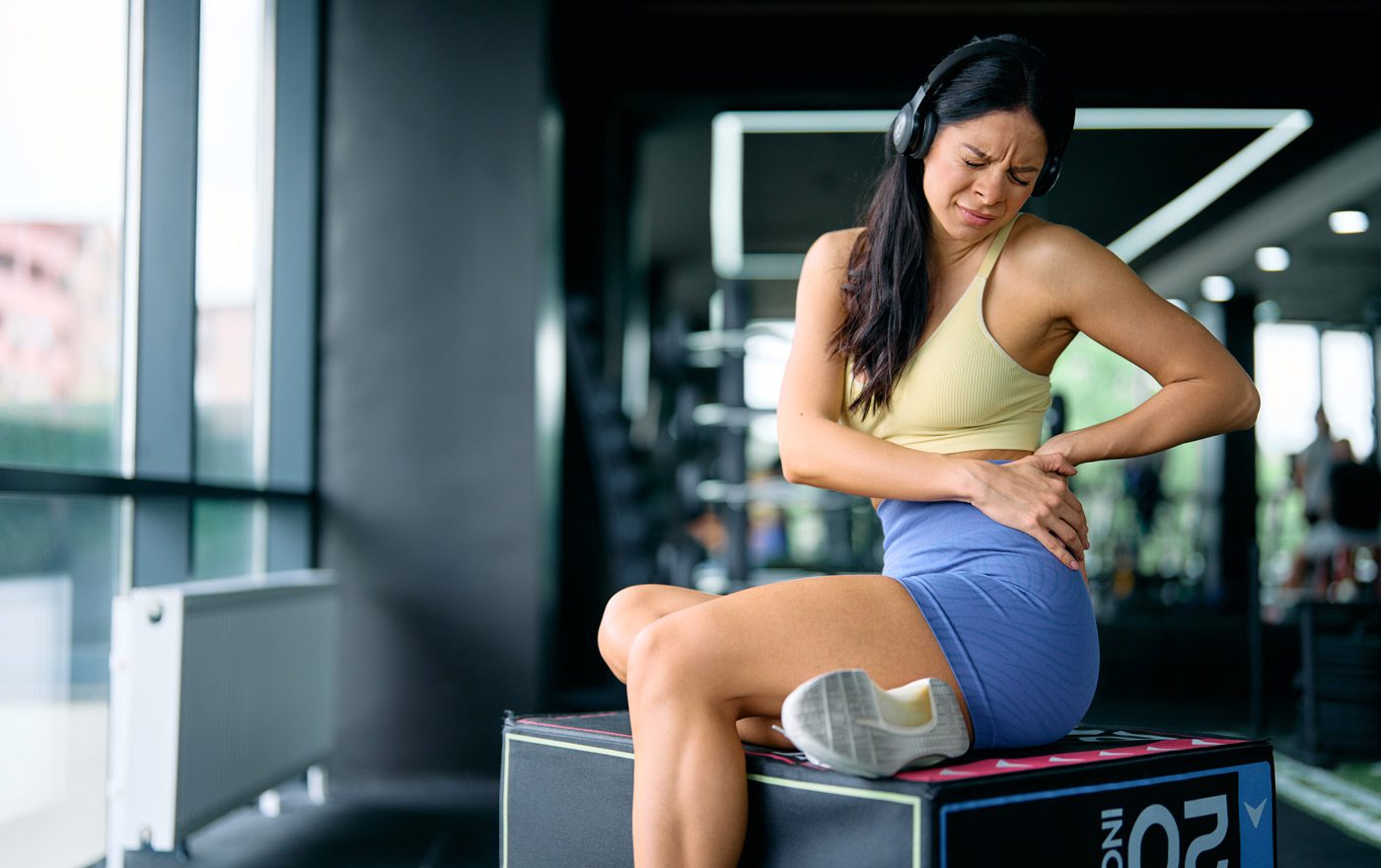
Bothered by hip pain in your 30s or 40s? Been trying to ‘push through’ it? Worried about what it could mean?
While hip pain in your 30s and 40s definitely needs attention, there’s no need to panic. Early intervention is key to good outcomes – so the sooner you take action, the sooner you’re back in action.
Read on to learn what could be driving your hip pain and what you can do about it.
Is It normal to have hip pain at 30 or 40?
Hip pain in your 30s or 40s is not ‘normal’ – in the sense that you shouldn’t expect to grin and bear it. But it’s more common than you might think, especially for people who play sports.
People in their 30s and 40s are often very active, juggling careers while often literally carrying children around (frequently on their hips!), and even splicing in fitness routines. Conversely, they may also spend a lot of time sitting at desks, which is associated with stiffness and joint issues too.
Hip pain does become more prevalent as we age, so it’s more common for people in their 40s than people in their 30s. However, it’s not a normal part of ageing into your 30s and 40s and there are a host of factors that could be driving it. You should not expect to just put up with hip pain in your 30s or 40s – and ignoring it can make things worse.
Too young for hip pain? Think again
Mr Jerome Davidson, Consultant Orthopaedic Hip Surgeon says: “I frequently meet patients who have put off coming to see a specialist because they worry about what hip pain could mean. They fear they’ll be wheeled off to surgery at the first sign of pain. Happily, hip surgery is very rarely needed at this age and stage. There are lots of other interventions and lifestyle adjustments that can make a big difference and get you back to your best.
“But early intervention is key. Never put off seeing a doctor because you think you’re ‘too young’. Hip pain can strike at any age; it’s not a problem that only affects the elderly. But the quicker any issues are addressed, the better.”
The most common causes of hip pain in younger adults
At this age, you expect to be full of energy and life requires you to be on the go. If you’re experiencing hip pain, you probably feel baffled and frustrated.
The potential causes of persistent hip pain in your 30s and 40s are many, including:
- Acute injuries, often from exercise or sports – for example labral tears, or muscle strains and tendon strains (which can also be caused by repetitive motion over time)
- Strain injuries like tendinitis (inflammation of the tendon) or bursitis (inflammation of the fluid-filled sacs that provide cushioning to your joints) or synovitis (when the soft tissue that lines joints becomes inflamed, often from overuse, but synovitis can also be caused by autoimmune issues or underlying arthritis)
- Structural problems like hip impingement (when the hip joint doesn’t fit together properly, causing bones to make abnormal contact, which creates pain and friction)
- Underlying disorders such as early-onset arthritis, or hip dysplasia (a loose joint caused by a shallow hip socket)
- Sciatica – Irritation or constriction of the sciatic nerve, creating pain that extends through the hip and down the leg
- Poor posture or patterns of movement
- An overly sedentary lifestyle (too much sitting)
Getting to the root of your hip pain is essential for effective treatment. That’s why Mr Jerome Davidson offers swift diagnosis and personalised care, so hip pain doesn’t get in the way of life anymore.
Why “pushing through the pain” is a mistake
People in their 30s and 40s are used to powering through, so when hip pain hits, they usually try to push through it, assuming it will just go away on its own or that this is simply a normal part of getting older. But pushing through the pain makes the problem worse.
The key takeaway is, listen to your body, and if it hurts, don’t do it. If jogging or acrobatic yoga or squatting with weights creates a hip pain flare, ‘pushing through the pain’ could cause something that is relatively minor to become more inflamed and create further damage.
What non-surgical treatments are there for hip pain?
In many cases, if a hip problem is addressed earlier on, it can be managed successfully without surgery. The priority is always to understand the underlying cause and tailor a treatment plan accordingly. Conservative approaches are often highly effective, and may include:
- Rest
- Heat therapy and/or ice therapy to manage pain and inflammation
- Physiotherapy to improve strength, mobility and joint stability
- Injections – e.g. corticosteroids to reduce inflammation or hyaluronic acid to help cushion the joints
- Lifestyle adjustments to minimise hip strain such as weight management, changing exercise routines to build strength and support mobility, or adapting your working environment (for example, using a standing desk)
Effective management of hip pain often involves a multidisciplinary approach, and Mr Jerome Davidson works closely with a trusted network of specialists, including sports and exercise medicine consultants, rheumatologists, physiotherapists, and strength and conditioning coaches.
The above conservative approaches aim to improve the function of your joints, relieve symptoms and, in many cases, prevent the need for surgical intervention altogether.
However, there are situations where surgery may be the most appropriate option, particularly if the condition is more advanced or symptoms are significantly affecting quality of life. Mr Davidson sees younger patients with patients with sickle cell disease who have developed avascular necrosis of the hip and subsequent severe hip arthritis. Mr Davidson regularly manages this condition and offers hip replacement surgery, if needed.
Where necessary, surgical options such as hip replacement are carefully considered and discussed in detail, ensuring patients feel informed and confident about the next steps.
Mr Jerome Davidson has decades of experience in treating hip pain, working to preserve your natural hip joint for as long as possible – but the key is to seek help when hip pain strikes. The sooner you take action, the sooner you’re back in action.
To book an assessment or talk through your hip concerns, contact Mr Davidson’s secretary at 020 8168 0111 or simply book a consultation online.